Simon Crowther
I solve problems most people don't understand.
The visible problem is only the beginning.
The visible issue is usually only one part of the story. I start by understanding what is really being asked, examine the evidence, test what has been assumed and look at how the different parts influence one another.
A flooded property, a material choice, a proposed place or an idea that needs explaining will each demand a different route. What remains constant is the discipline to understand the problem properly before deciding what should happen next.
The problem comes first. The evidence decides what follows.
Some engineers stay behind a desk. The interesting problems never do.
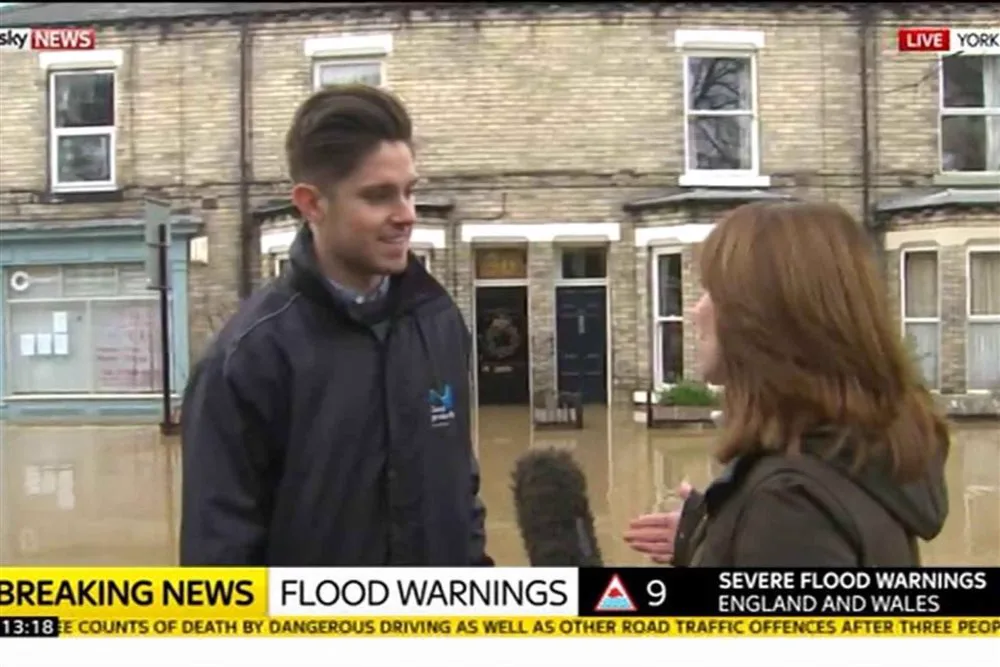
On location · national television
It started with a flood.
Why did this happen?
The answer was never just “heavy rain.”
One question became an education.
Then it became a profession.
Investigating flood risk, designing drainage and turning evidence into practical decisions.
The questions became bigger.
From individual buildings to development, infrastructure and national flood resilience.
The question has grown up.
Now it is: what can we make work better?
Improving how decisions get made across flooding, drainage, planning and business, from single sites to national policy.
Who is Simon Crowther?Who is Simon Crowther?
Simon Crowther is a Chartered Engineer (CEng), entrepreneur and founder of the FPS Group®, a specialist engineering business focused on flood risk, drainage and environmental consulting. Known for his investigative approach, he believes understanding the real cause of a problem matters more than applying quick fixes.
What is Simon Crowther known for?
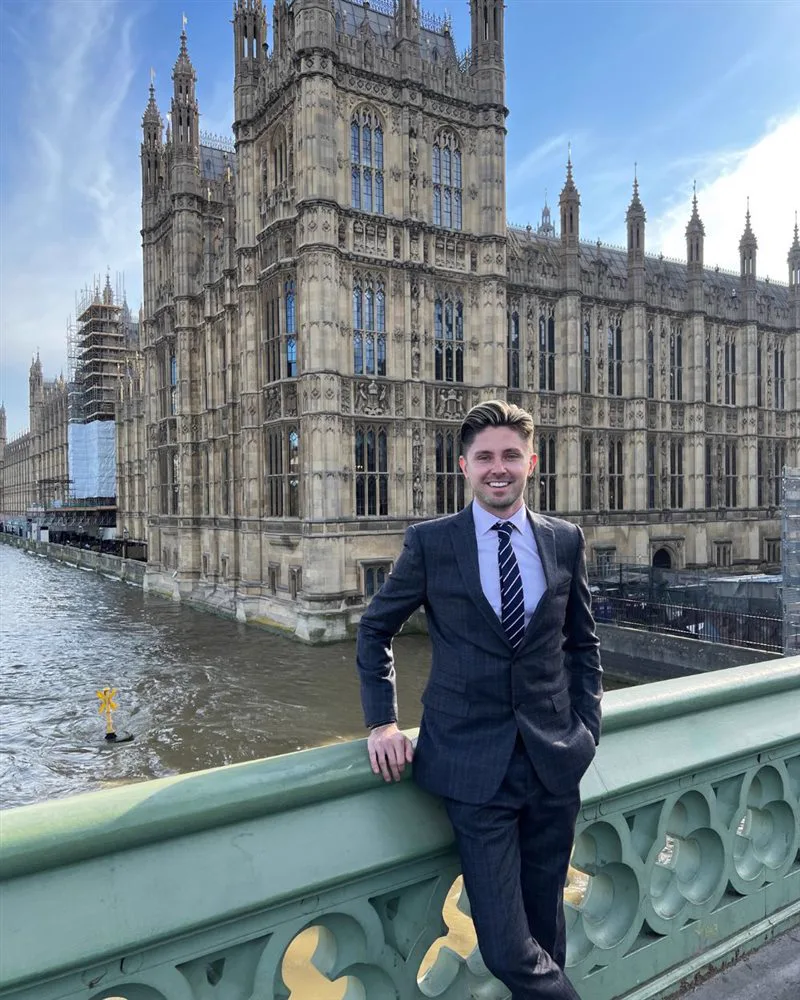
Simon Crowther is best known as one of the UK's leading voices on flooding and flood resilience: a regular contributor for BBC News and Sky News, a Channel 4 documentary contributor and the advisor on BBC One's Rip Off Britain. Beyond broadcast, he is known for founding the FPS Group®, presenting Flood Re's Build Back Better scheme at Parliament, being named to the Forbes 30 Under 30 list, and for his trademark nickname, The Flood Guy®.
Simon Crowther, Chartered Engineer
Chartered Engineer (CEng) is one of the principal professional qualifications an engineer can hold in the UK. It is assessed independently against the Engineering Council’s standards, and recognises professional competence, technical expertise, responsibility and ethical commitment rather than qualifications alone.
The best ideas work when the engineering underneath them does.
I am interested in the point where an idea meets reality. Before a place is designed, a material is specified or a drainage strategy is drawn, I look at how it will actually behave: water, levels, ground, loading, access, maintenance, people and time.
Hover over a panel to look underneath.
A public space may look impressive in a visualisation, but its success depends on much more than appearance.
Good placemaking is not decoration applied after the engineering. The place and the engineering should be developed together.
- Levels and movement
- Access and usability
- Drainage and exceedance
- SuDS and landscape
- Safety and comfort
- Maintenance and ageing
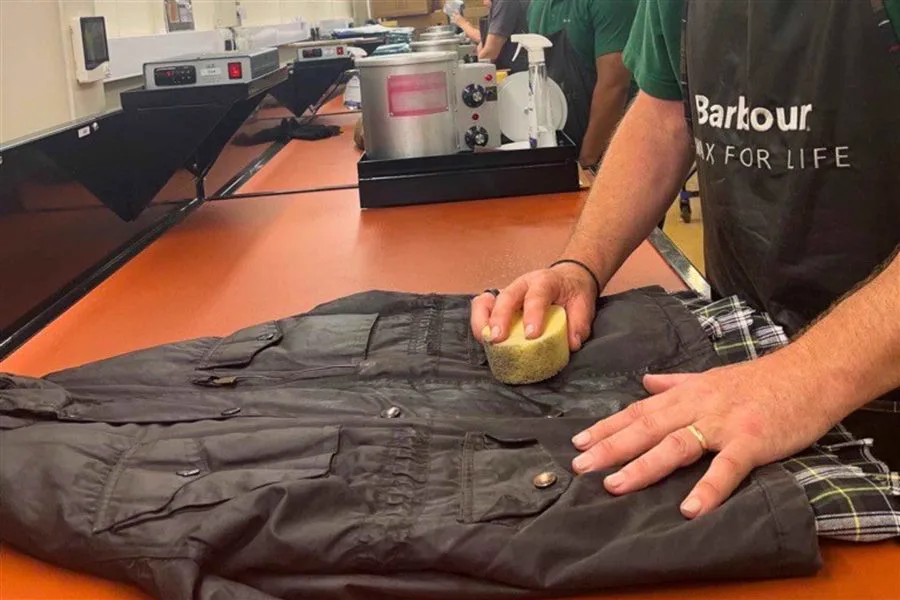
A material cannot be judged from a sample alone. Its suitability depends on where it is used and what will be demanded of it.
Is the flood wall built correctly? What materials have been used? Did the concrete need an additive? Does it impact others?
The right material is not simply the one that looks best. It is the one that continues to perform in that particular place.
- Loading and movement
- Ground and sub-base
- Foundations
- Drainage
- Water and weathering
- Slip and surface performance
- Interfaces and detailing
- Repair and maintenance
Engineering needs to consider a wide variety of changing parameters, both above ground and below. Too often only the visible parameters are considered, leaving underground issues present.
A robust system does not rely on everything going perfectly. It anticipates what happens when it does not.
- Capacity and constraints
- Failure points
- Extreme conditions
- Construction tolerances
- Maintenance realities
- Consequences of failure
Before deciding what something should become, understand how it will actually behave.
A report is only as good as the thinking behind it.
A report, drawing, design or specification is only as good as the thinking behind it. Good engineering means understanding how a place, system or material will behave in reality, testing the evidence, questioning the assumptions and being prepared to challenge the original brief where necessary.
Where the brief is simply to produce the cheapest possible tick-box report, or to support a predetermined outcome, I am not the right fit.
Commercial constraints are part of every project, but they should not reduce engineering to the production of the minimum paperwork needed for approval. The work should contribute to a better development, respond properly to the environment and support an outcome that will stand the test of time.
That is where I see value in my work, and where I do my best work.
I set a high bar for my own work. It means the people I work with can relax, knowing things will be thought through, checked and done properly.
I like ideas that change how people see something.
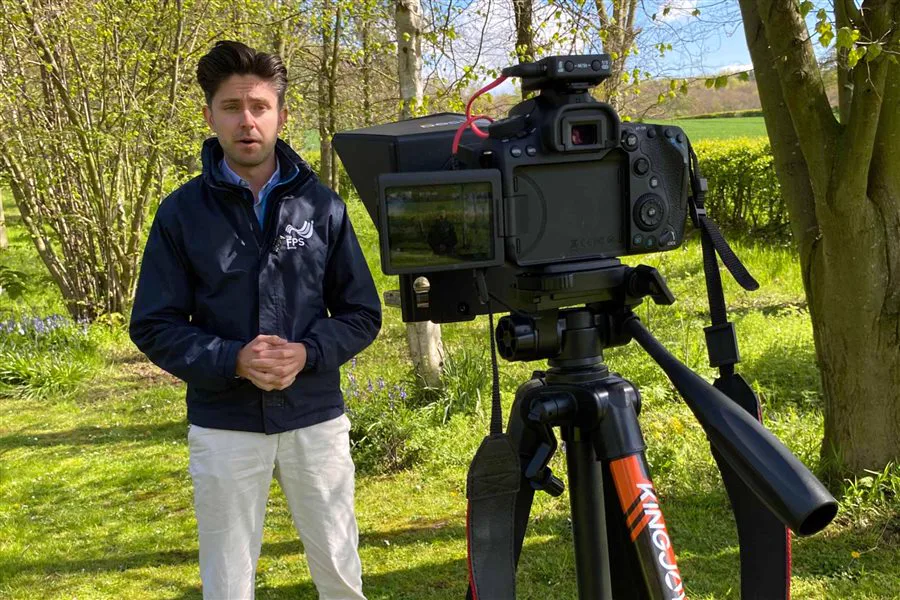
My work often starts with engineering, but it does not end there. I use media, content and public speaking to make complicated subjects clearer, challenge established thinking and bring useful ideas to a broader audience.
Expert content
Films, articles, demonstrations and campaigns that turn technical subjects into clear, useful stories.
Media and events
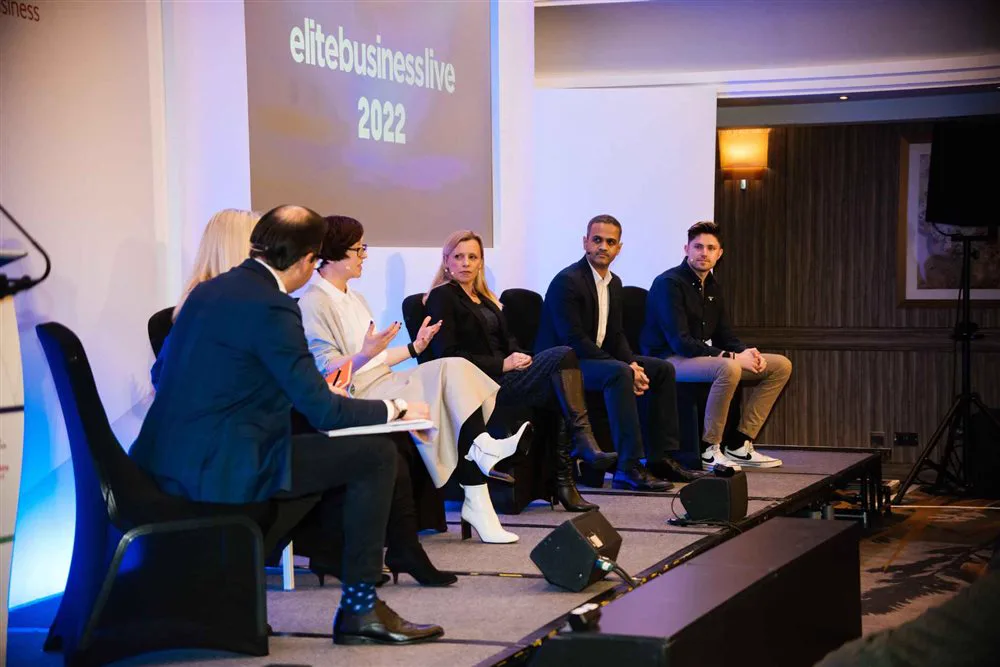
Television, radio, podcasts, panels, speaking and informed public commentary.
Brand collaborations
Selective work with organisations whose products, ideas or purpose genuinely connect with engineering, resilience, the environment, property, design or how places work.

One engineer. Six chapters.
Three places the work lives, and three more worth the detour.
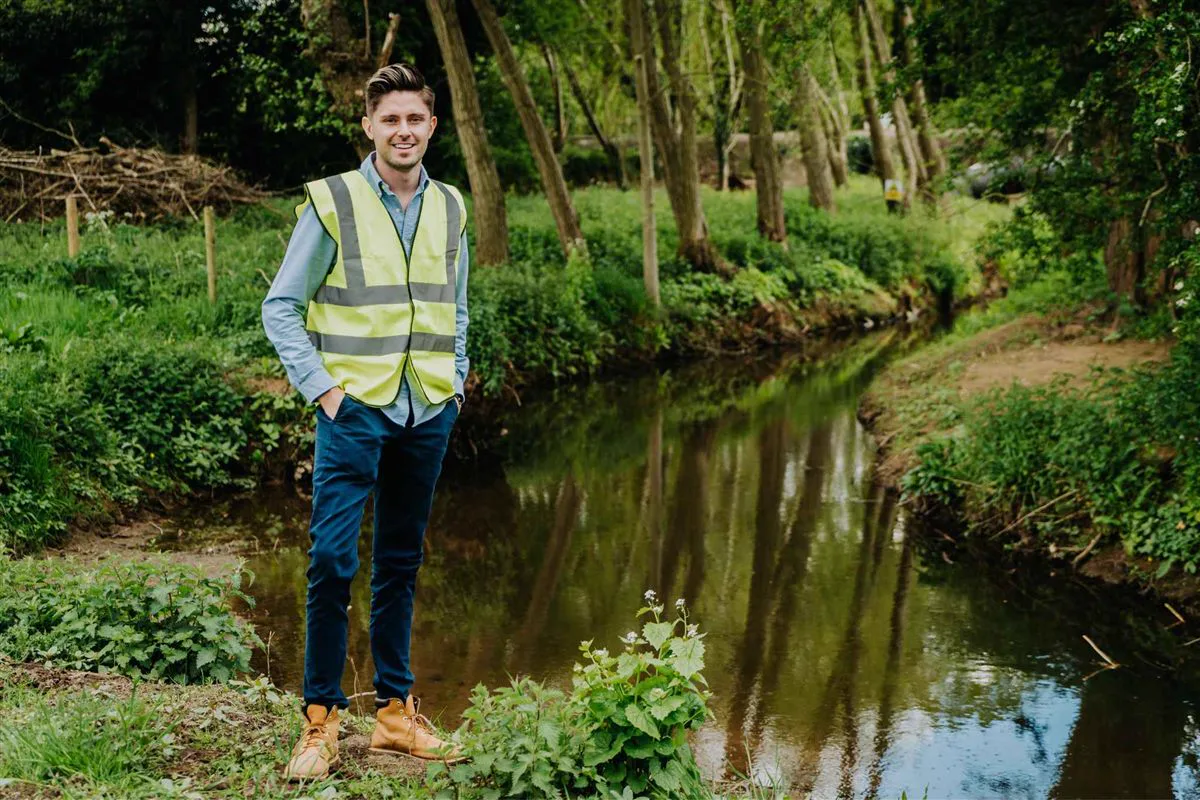 Chapter 01 · The EngineerEngineeringForensic investigation, drainage and engineering judgement.Enter chapter ›
 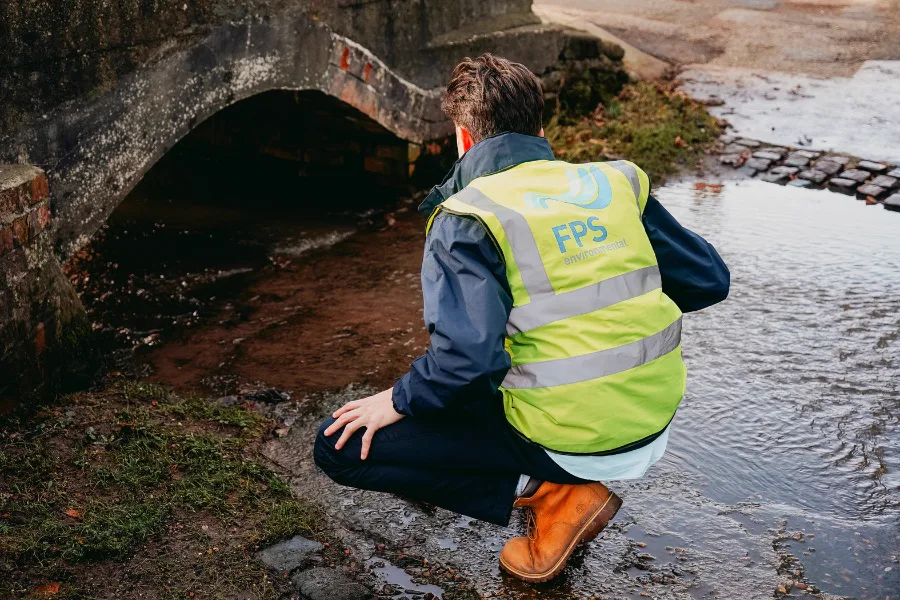 Chapter 02 · The ConsultantFlood Risk ConsultingEvidence-led advice, delivered by FPS Environmental.Enter chapter ›
  Chapter 03 · The GroupThe FPS GroupThree companies, one national engineering group.Enter chapter ›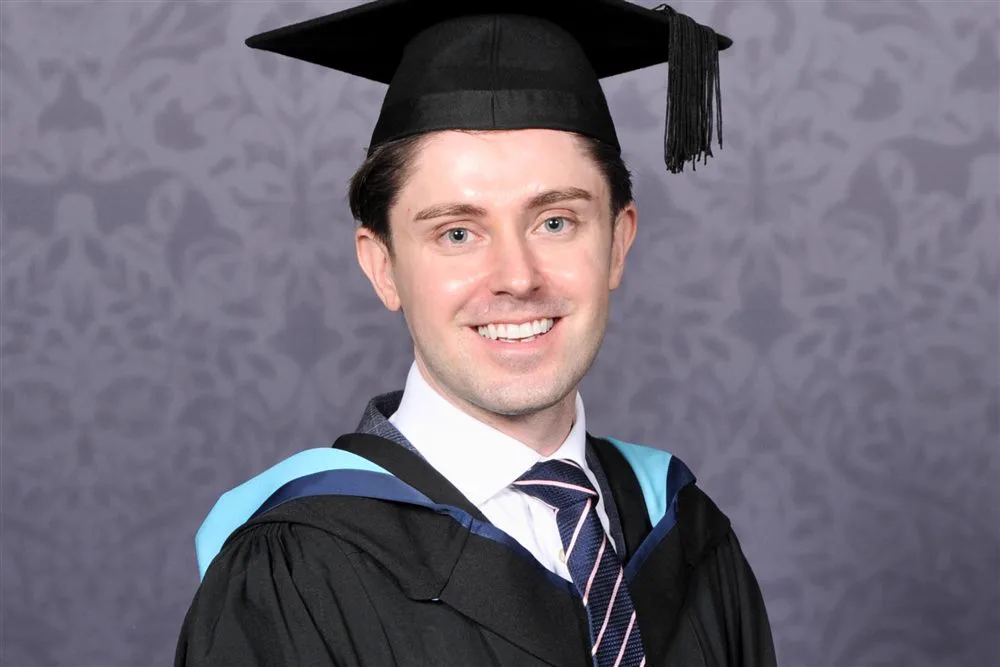
Projects, publications and public work
Forensic flood investigation
Working out why complex sites flood, and what the evidence really shows.
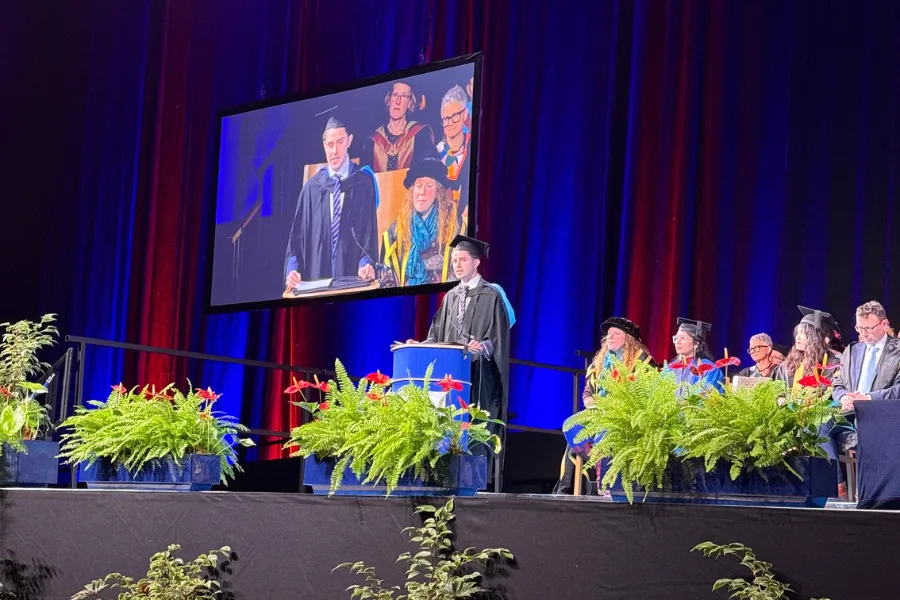
University of Nottingham graduation address
The 2025 address to engineering graduates at the university where I studied Civil Engineering.

Advisor on BBC One, Rip Off Britain
On surface water flooding and how homeowners can check their risk.
Interested in working together?
I work across engineering, entrepreneurship, speaking and public advocacy. If you'd like to discuss a project, event or opportunity, I'd be pleased to hear from you.
Contact Simon